July 29, 2026
Bathroom remodeling can be daunting, and common pitfalls can derail any project. Understanding these common pitfalls can help turn your renovation dream into a tangible and rewarding reality. Let's explore the crucial mistakes often made during bathroom renovations and reveal how seasoned professionals navigate these challenges to ensure a successful outcome.
Inadequate Planning and Budgeting
Overlooking Hidden Costs
One of the most common mistakes in bathroom remodeling is failing to account for hidden costs. Renovations often take homeowners by surprise when underlying issues, such as mold, outdated plumbing, or electrical systems, are uncovered. Professional remodelers emphasize the importance of setting aside a contingency budget, which we've found typically ranges from 10% to 20% of the total project cost. By anticipating potential setbacks, professionals ensure that these unplanned expenses do not derail the renovation process. Careful and thorough initial inspection by professionals can mitigate the risk of encountering sudden unanticipated costs.
Ignoring Functional Layout Needs
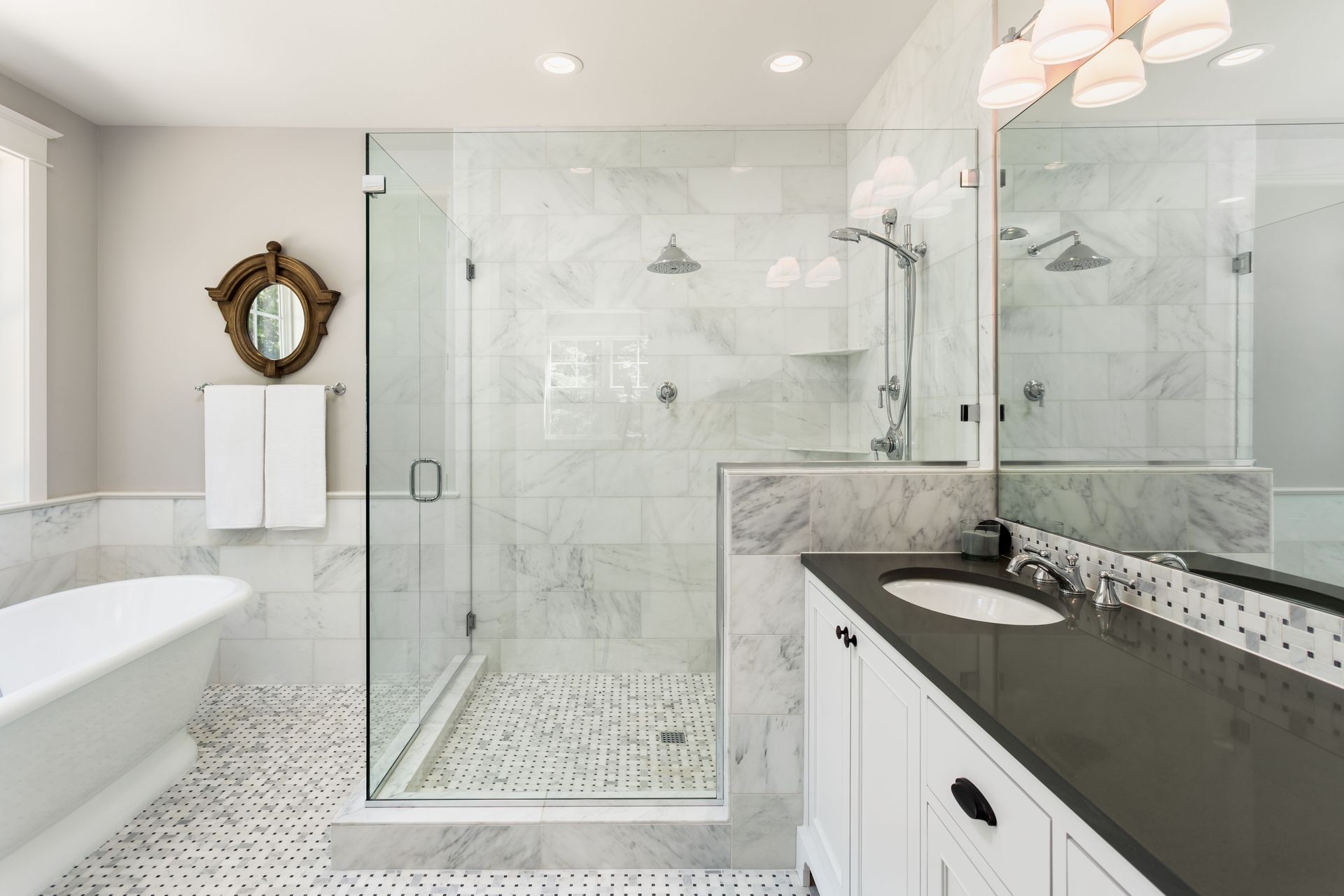
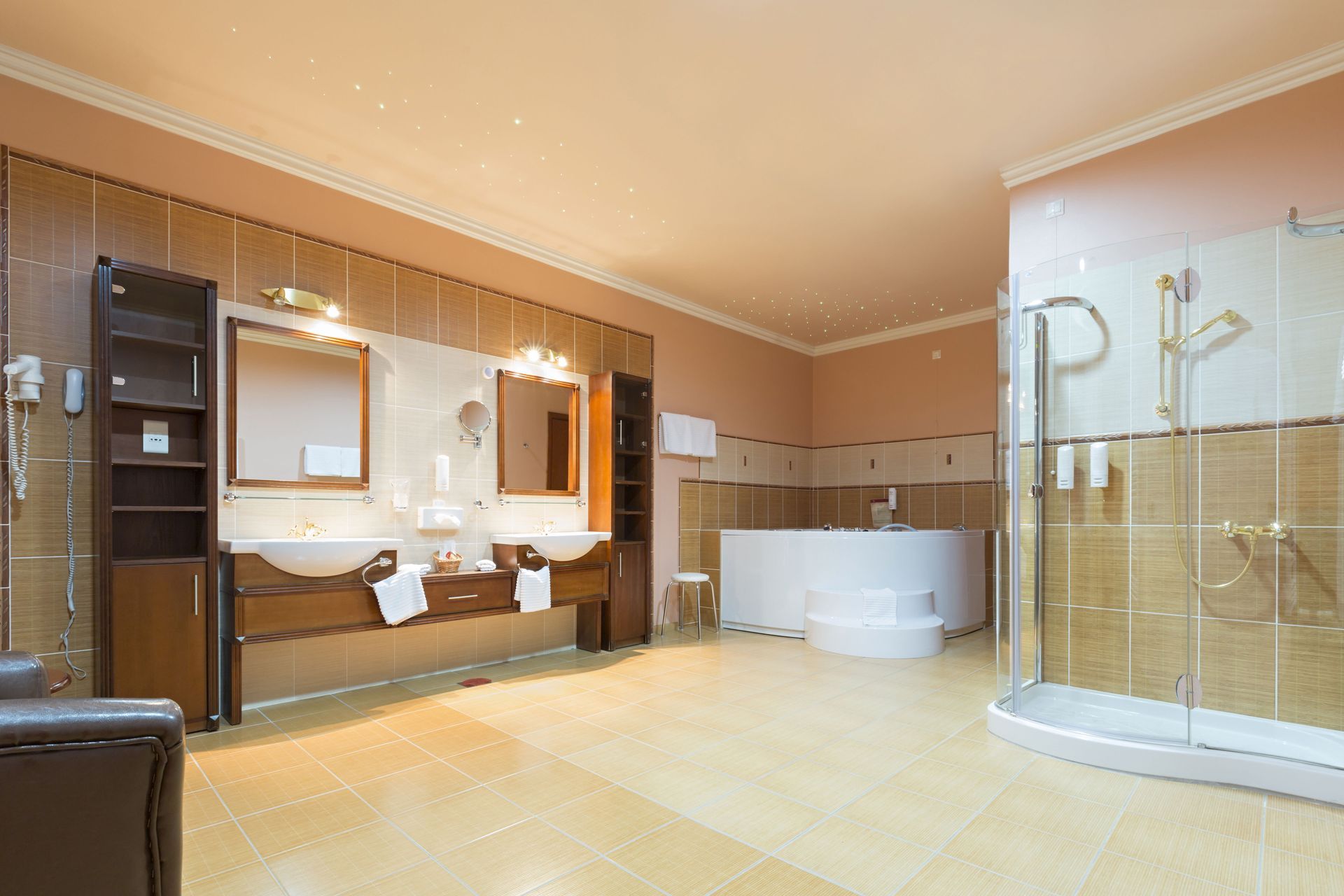
An aesthetically pleasing bathroom is desirable, but functionality should never be compromised. Homeowners often overlook the practical layout of their bathrooms, failing to consider everyday usability. Seasoned remodelers spend significant time with clients to understand their lifestyle and usage patterns. This information is crucial in designing a space where the flow and placement of fixtures and amenities enhance convenience and comfort. In fact, according to Houzz's 2026 Renovation Plans Report, primary bathroom remodels often emphasize wellness-focused layouts, a trend driven by 72% of younger homeowners striving for efficient and health-centered spaces.
Underestimating the Project Timeline
Setting a realistic timeline is essential yet challenging in bathroom remodeling projects. Unforeseen issues can lead to delays, but professionals avoid significant timeline deviations by meticulously planning each phase. Remodelers set conservative timelines based on experience and potential hurdles, cushioning the project against unexpected slowdowns. Clear communication with clients about each project stage keeps expectations aligned. Moreover, seasoned professionals factor in buffer periods to accommodate any delays that might arise, ensuring the project progresses smoothly and on schedule.
Failure to Incorporate Contingencies
Inadequate contingency planning is a recipe for frustration and budget overruns. Renovations can reveal structural or cosmetic issues that were not apparent at first, necessitating extra time and resources. Professional remodelers factor contingency plans into their initial estimates and schedules. This foresight allows for quick adjustment of plans when complications arise, maintaining project momentum. Clients benefit from knowing that experienced professionals proactively manage unexpected issues, providing valuable peace of mind.
Skipping Detailed Planning Sessions
Many homeowners are eager to dive into the bathroom remodeling process but neglect thorough upfront planning. Professionals stress the importance of detailed planning sessions to lay a solid foundation for the project. These sessions involve assessing spatial constraints, potential design themes, and materials selection. Identifying exact needs and ambitions early prevents costly change orders later in the project. Thus, detailed and precise planning reduces uncertainty and sets the stage for a streamlined renovation process that adheres to both budget and timelines.
Poor Choice of Materials
Sacrificing Quality for Cost
Many homeowners make the mistake of selecting low-cost materials without considering their long-term implications. While cheaper materials might be appealing for budget constraints, they often lead to premature wear, necessitating expensive repairs or replacements. Professionals advise high-quality materials to ensure durability and reduce maintenance costs. Quality materials not only enhance the longevity of the bathroom but also add significant value to the home. Learning from this professional approach shifts the focus from initial expenditure to long-term investment.
Ignoring Moisture and Humidity Resistance
Bathrooms are inherently humid spaces that require materials resistant to moisture and humidity. Homeowners sometimes choose materials for their aesthetic appeal without considering their environmental resilience. Professionals prioritize materials that withstand bathroom conditions, such as water-resistant paint, tiles, and fixtures. Such choices prevent issues like mold growth and material degradation. Ensuring that all materials chosen are suitable for high-moisture environments avoids future problems and extends the life of the renovation.
Inadequate Research on Material Durability
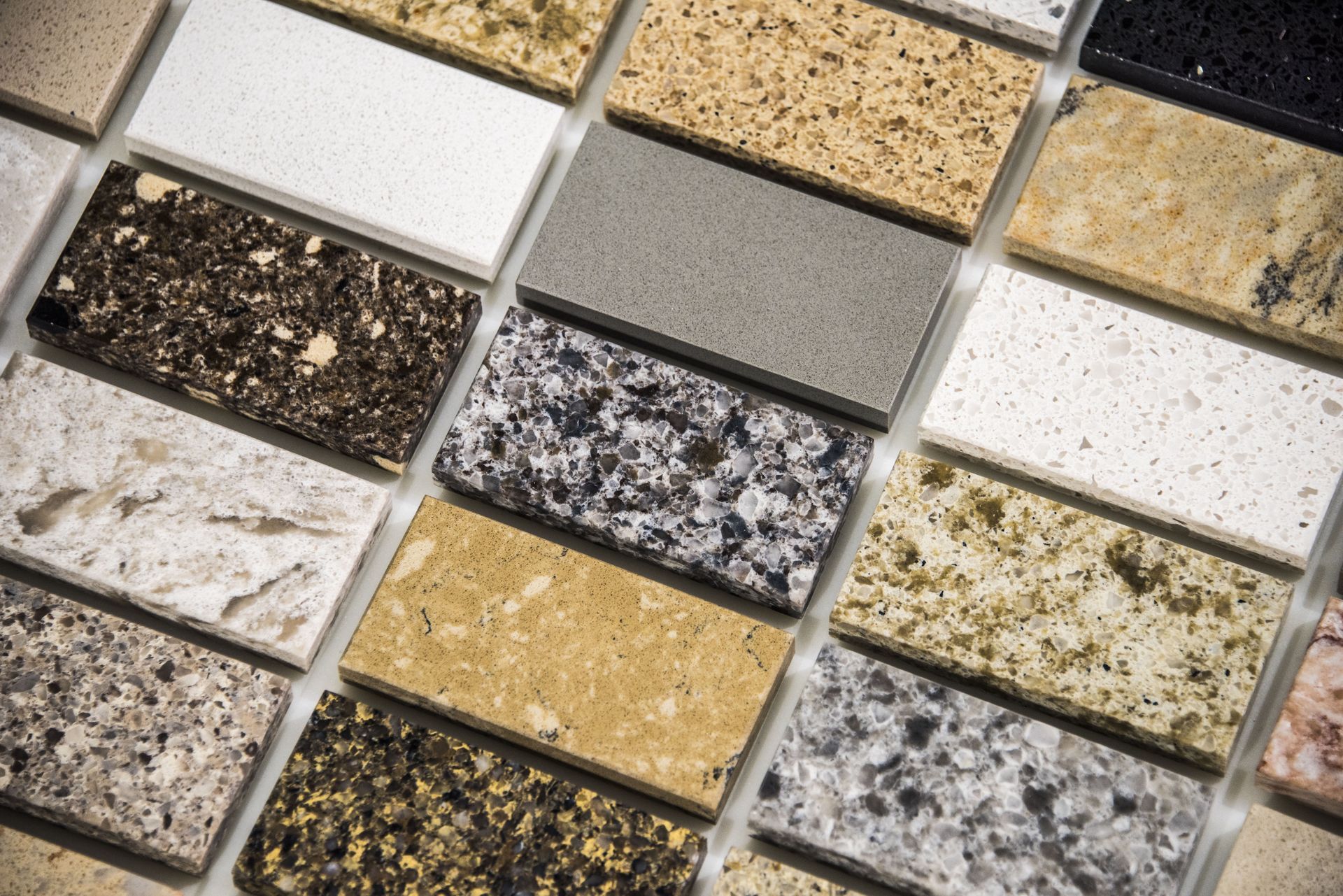
Durability is a crucial consideration often overlooked in favor of immediate visual appeal. Inexperienced renovators or DIY enthusiasts might choose trendy materials without understanding their lifespan and maintenance requirements. Professionals conduct thorough research and prefer materials that promise durability and minimal upkeep. For example, natural stone or ceramic provides excellent long-term performance compared to less robust alternatives. This meticulous material selection ensures a project's aesthetic and functional longevity.
Uncoordinated Color and Texture Selection
Color and texture play a vital role in the bathroom's ambiance, but poor coordination can lead to a chaotic visual experience. Homeowners may inadvertently select clashing hues or textures that conflict rather than complement. Experienced professionals offer design consultations to create cohesive color palettes and harmonious textures that enhance the space. These detailed design strategies ensure that all elements work together to create a serene and stylish retreat. Leveraging professional expertise in color and design harmonization can transform a bathroom into a visual sanctuary.
Failing to Source Sustainable Materials
As environmental awareness grows, the use of sustainable materials in bathroom remodeling becomes a pivotal choice. Many homeowners are unaware of environmentally friendly alternatives or their availability. Professionals are keenly aware of sustainability trends and incorporate eco-friendly solutions that reduce the environmental footprint. Choosing sustainable materials garners several benefits, including energy efficiency, lower operating costs, and a healthier indoor environment. Moreover, eco-conscious choices align with broader market trends towards green, sustainable living, amplifying property value.
Ignorance of Building Codes and Permits
Skipping Permit Applications
Ignoring necessary building permits is a common mistake that can have serious legal repercussions. Some homeowners proceed with renovations without understanding local permit requirements, risking fines or mandated reversals. Experienced remodelers navigate these legalities by ensuring full compliance with municipal regulations and acquiring necessary permits. This diligence avoids project interruptions and potential legal issues. Ensuring all permits are in order before beginning a project is a non-negotiable step in professional practices.
Overlooking Plumbing and Electrical Codes
Plumbing and electrical systems in bathrooms are subject to strict codes to ensure safety and functionality. Ignoring these codes can lead to malfunctions, hazards, and failed inspections. Professional remodelers prioritize compliance with all relevant building codes, engaging specialists when needed. Doing so guarantees that installations not only perform well but also pass all inspections with ease. Bringing experts into these critical phases underscores the importance of compliance and mitigates future risks of failure or accidents.
Failing to Consult With Building Inspectors
Building inspectors play a crucial role in the bathroom remodeling process, ensuring that renovations meet structural and safety standards. Some homeowners neglect to consult with inspectors, leading to setbacks during the final stages of their project. Professionals incorporate regular consultations with inspectors to identify potential compliance issues early. This proactive involvement ensures that any corrections needed are minor, preventing delays. Continuous communication with inspectors fosters a smoother and more successful remodeling journey.
Unauthorized Structural Modifications
Unauthorised changes to load-bearing walls or structural features can compromise a home's overall integrity. Homeowners may attempt these modifications without realizing the associated risks. Professionals conduct thorough assessments and collaborate with structural engineers for any significant alterations. This cooperation ensures that all modifications meet safety and building standards, preventing costly after-the-fact repairs. Proper adherence to structural guidelines protects both the project and the safety of the home's residents.
Ignoring Energy Efficiency Standards
Incorporating energy-efficient solutions is not only cost-effective but also often required by modern building codes. Some homeowners miss these standards, which can result in higher energy bills and potential non-compliance fines. Professionals integrate energy-efficient fixtures and technologies from the outset, often exceeding standard requirements. This commitment to energy efficiency balances environmental responsibility with financial savings. As regulations tighten, meeting or exceeding these standards becomes not just best practice but an essential part of responsible remodeling.
Bathroom remodeling requires a keen understanding of potential pitfalls and the expertise to navigate them effectively. By avoiding common mistakes and implementing professional strategies, homeowners can create a bathroom that is not only aesthetically pleasing but also functional and long-lasting. To learn more, reach out to the experts at Kreager Company today!